Tips to help avoid overcapitalising on your investment property
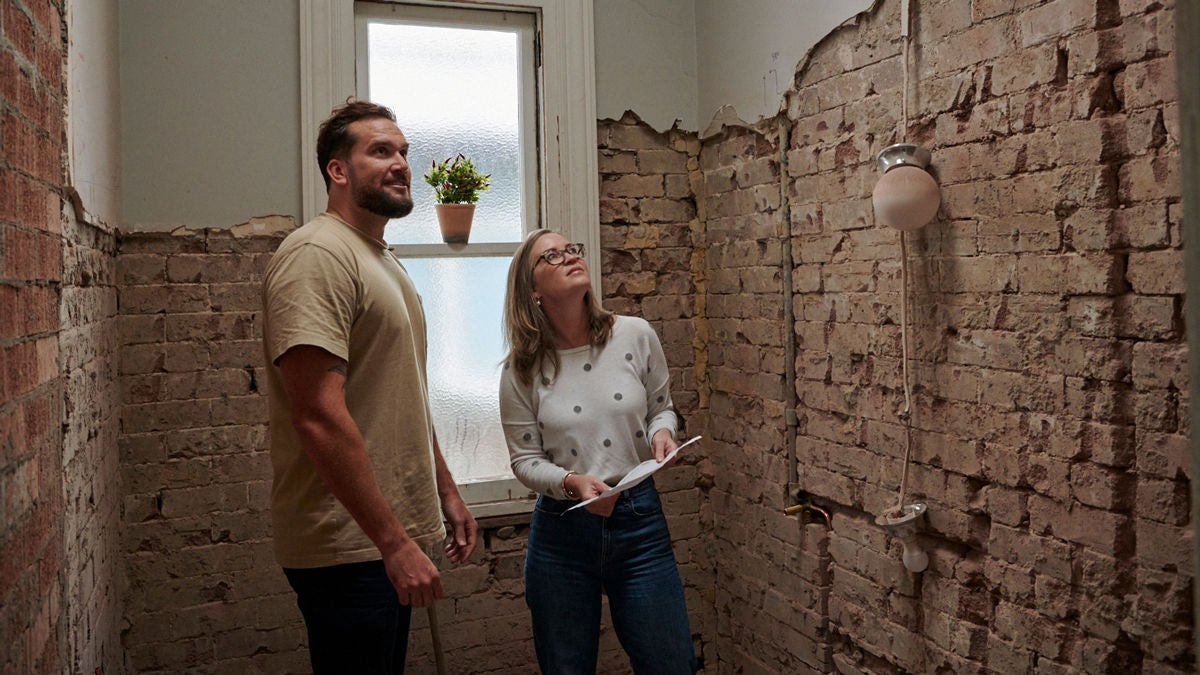
Australians love renovating. From reality TV shows to magazine spreads, it’s easy to get carried away when improving a property.
But when it comes to an investment property, the goal isn’t just to make it look good. It’s about making decisions that deliver a return.
Overcapitalising happens when you spend more on improvements than the property is likely to be worth. In simple terms, you’re putting in more money than you’re likely to get back.
Whether it’s an investment property or a home you’re preparing to sell, overcapitalising can leave you out of pocket when it comes time to sell or refinance.
It’s more common than you might think, especially once renovation plans start to expand.
Why overcapitalising matters
For investors, the impact is simple. Overcapitalising can reduce your overall return and limit your long-term growth.
What this means in practice is you may not recover what you’ve spent, even if the property looks significantly better.
In other words, the numbers don’t always match the effort you’ve put in.
The key is to make improvements that add value, not just cost.
Tips to help establish an accurate value of property
Remember, these are just general tips and not financial advice.

Research, research, research
Start with the numbers, not the renovation.
Start by establishing an accurate value of your property. A reputable real estate agent will be able to help.
Next, look at recent sales in your area to see what similar properties are selling for, both renovated and unrenovated. This gives you a picture of the pricing difference in your area.
This gives you a clear “ceiling price” for your property.
For example:
- If your property is valued at $600,000
- And similar renovated properties are selling for around $750,000
- Your total renovation budget needs to sit comfortably within that $150,000 gap
That gap isn’t your target spend, it’s your upper limit.
Spending more than $150,000 on your renovation could lead to overcapitalising on your home. Spending beyond this gap increases your risk of overcapitalising.

Focus on value-driven upgrades
Look at what adds value, not just what looks good.
Continue your research by finding out what types of features buyers are looking for and which properties are attracting higher returns.
If your property is in a neighbourhood predominantly made up of families, upgrading the kitchen or adding a second bathroom is likely to be more appealing than a high-tech wine cellar or a four-car garage.
A good way to think about it is:
- What would increase rental appeal?
- What would justify a higher sale price?
Think about what will create a lasting impression on buyers, but also what they are willing to pay for.
Quality floor coverings, and neutral yet stylish kitchens and bathrooms, are classic favourites. While standout features can help sell a home, it is important to weigh up the cost versus the return.
There is often a difference between what looks impressive and what actually adds value.
For example:
- Fully renovating a bathroom compared to updating fittings
- Replacing everything compared to improving presentation
Is it worth renovating the entire bathroom, or could updating some fittings achieve a similar result?
Sometimes smaller changes can deliver most of the impact without the full cost.
Taking a more measured approach can help protect your overall return.
Renovation checklist before you spend
Before committing to a renovation, ask yourself:
- Will this increase rental income or resale value?
- Is it in line with what similar properties offer?
- Am I improving functionality or just aesthetics?
- Would a smaller upgrade achieve a similar result?
This simple check can help prevent overspending on changes that do not add meaningful value.
If the answer isn’t clear, it may be worth pausing before you commit.

Budget carefully
Set a budget and build in a buffer.
Property prices may be high now, but it is always best to take a conservative approach when setting a budget, as the market can change.
Speak to people who have renovated before, and factor in:
- Material costs
- Labour
- Unexpected repairs
Speak to friends and family who have renovated to build a clear picture of costs. Don’t forget to include unexpected expenses such as repairing a blocked drain.
Think about setting up an emergency budget to help manage the unexpected. Renovation costs often increase once work gets underway, so a buffer can make a real difference.
It is also worth allowing a buffer for:
- Unexpected issues such as structural or plumbing problems
- Periods without rental income while improvements are being completed
If it is an investment property, the building may be untenanted during renovations, meaning you may not receive rental income. Even a short gap in rental income can affect your overall return.

Finance options
If your research stacks up and you are ready to start improvements, you‘ll need to consider the most effective way to finance your renovation project.
If you’re planning improvements as part of your investment strategy, it can be worth exploring your financing options and how they fit into your overall budget.
If you need to borrow funds, it may be a good time to look at refinancing your current loan.
The key is to make sure the cost of borrowing still makes sense alongside the value you expect to add.
What this could mean for investors
Renovating can absolutely add value to your investment property, but only when it is done with a clear financial outcome in mind.
The goal is not to create the perfect property. It is to create a property that performs well in your market by:
- Understanding your local price ceiling
- Focusing on practical upgrades
- Sticking to a clear budget
You can improve your property without reducing your overall return.
Smart renovating is one way you can unlock value in your property, just remember to renovate with your head, not your heart. A simple way to think about it is to renovate for your market, not your personal taste.
Planning your next step
If you’re planning renovations, it’s worth understanding how they fit into your overall investment strategy.
You can explore your finance options and see what your repayments might look like before getting started.
This gives you a clearer picture of what the renovation will actually cost you.

Contributor | Vasè Marcevska, Head of Direct Sales – Mortgages and Personal Loans
Vasè has over 16 years of experience in the Banking and Finance sector, specifically within the Third Party and Consumer lending industry. Her expertise now focuses on enhancing our Customer program through a deep understanding of mortgage origination and service excellence across our Financial products.
Published by Pepper Money. Read our Editorial Policy to learn how we create and review content.

Want to find out where you stand?
Sign up to our newsletter
If you like this article, you'll love our Really helpful newsletter.
Personal information is collected, used, stored and disclosed in accordance with Pepper's Privacy Policy. I understand I can unsubscribe at any time.
Get up to speed with how a home loan works
It can be confusing! If you don’t know your LMI from your LVR check out our Resources Hub, it’s full of helpful information.




Information provided is factual information only and is not intended to imply any recommendation about any financial product(s) or constitute tax advice. If you require financial or tax advice you should consult a licensed financial or tax adviser.
All applications for credit are subject to credit assessment, eligibility criteria and lending limits. Terms, conditions, fees and charges apply.
Pepper Money Personal Loans is a brand of Pepper Money Limited. Credit is provided by Now Finance Group Pty Ltd, Australian Credit Licence Number 425142 as agent for NF Finco 2 Pty Limited ACN 164 213 030. Personal information for Pepper Money Personal Loans is collected, used and disclosed in accordance with Pepper’s Privacy Policy & the credit provider’s Privacy Policy.
Pepper Money Limited ABN 55 094 317 665; AFSL and Australian Credit Licence 286655 (“Pepper”). All rights reserved. Pepper is the servicer of home loans provided by Pepper Finance Corporation Limited ABN 51 094 317 647. Pepper Asset Finance Pty Limited ACN 165 183 317 Australian Credit Licence 458899 is the credit provider for asset finance loans.
Pepper and the Pepper Money logo are registered trademarks of Pepper Group Assets (Australia) Pty Limited and are used under licence.